
Luma AI
Luma AI has a background in 3D scene understanding and it shows.
This is an affiliate link. We may earn a commission at no extra cost to you.

About Luma AI
Luma AI has a background in 3D scene understanding and it shows. Their Dream Machine produces video with actual spatial depth. While other generators make beautiful frames that fall apart the moment something moves, Luma is reliable. It understands how objects should relate to each other in a 3D space. Luma built its reputation on 3D capture and NeRFs before moving into video. That technical foundation is the reason their clips feel coherent. You don't get that weird "hallucination" effect as often when the camera shifts. Text-to-video handles cinematic language better than most. If you prompt for a dolly zoom or a slow orbit, the AI actually executes the movement. It's built for people who think in specific shots rather than just "vibes." For creators who need precision, that matters. The image-to-video feature is especially strong for architecture and product shots. Because the model understands 3D space, it infers how a static object would actually look if the camera moved around it. It isn't just generating "plausible" motion; it's generating motion that makes physical sense. Keyframes is the standout feature here. You upload a starting image and an ending image, and the AI builds the bridge between them. It's smooth and intentional. This is perfect for product reveals or transitions where you know exactly where the scene needs to end. You provide the bookends, and the AI fills in the pages. They also have Character References. This lets you keep a person or object consistent across different clips. It isn't as deep as some other systems that use multiple reference images, but it's solid for maintaining a visual identity without a complex setup. One thing to keep in mind: Luma isn't the fastest tool, and it isn't the cheapest. It earns its spot in your workflow when quality and spatial logic are more important than churning out volume. There is a limited free tier to get you started. The Plus plan starts around .99 a month. Pricing has shifted as the platform has grown, so check lumalabs.ai for the latest tiers. Kling AI: Better character consistency tools via the four-image Elements system, longer maximum clip length, and a more generous free tier. Luma edges ahead on camera physics and the Keyframe feature; Kling edges ahead on volume and multi-shot character work. Runway: The production-pipeline choice. Where Luma is strong at producing beautiful individual clips, Runway is strong at integrating AI video into an existing production workflow. The Aleph transformation tool and Act-Two performance features have no Luma equivalent. Hailuo AI: Produces the most cinematically atmospheric output in the category. Hailuo wins on visual mood and portrait work; Luma wins on spatial depth and camera logic. Worth having both available depending on the brief. PixVerse: Faster and more affordable, with built-in audio that Luma lacks. Doesn't match Luma's depth or Keyframe precision, but for regular content output at lower cost it's a practical everyday alternative. The Fusion style-blending feature is also worth testing. Dreamlux: If the goal is quick, watermark-free clips from a browser with no setup, Dreamlux is the frictionless option. No Keyframe equivalent, but significantly faster to get from idea to downloadable video.
Key features

Reviews
Be the first to review Luma AI.
Write a review
You might also like
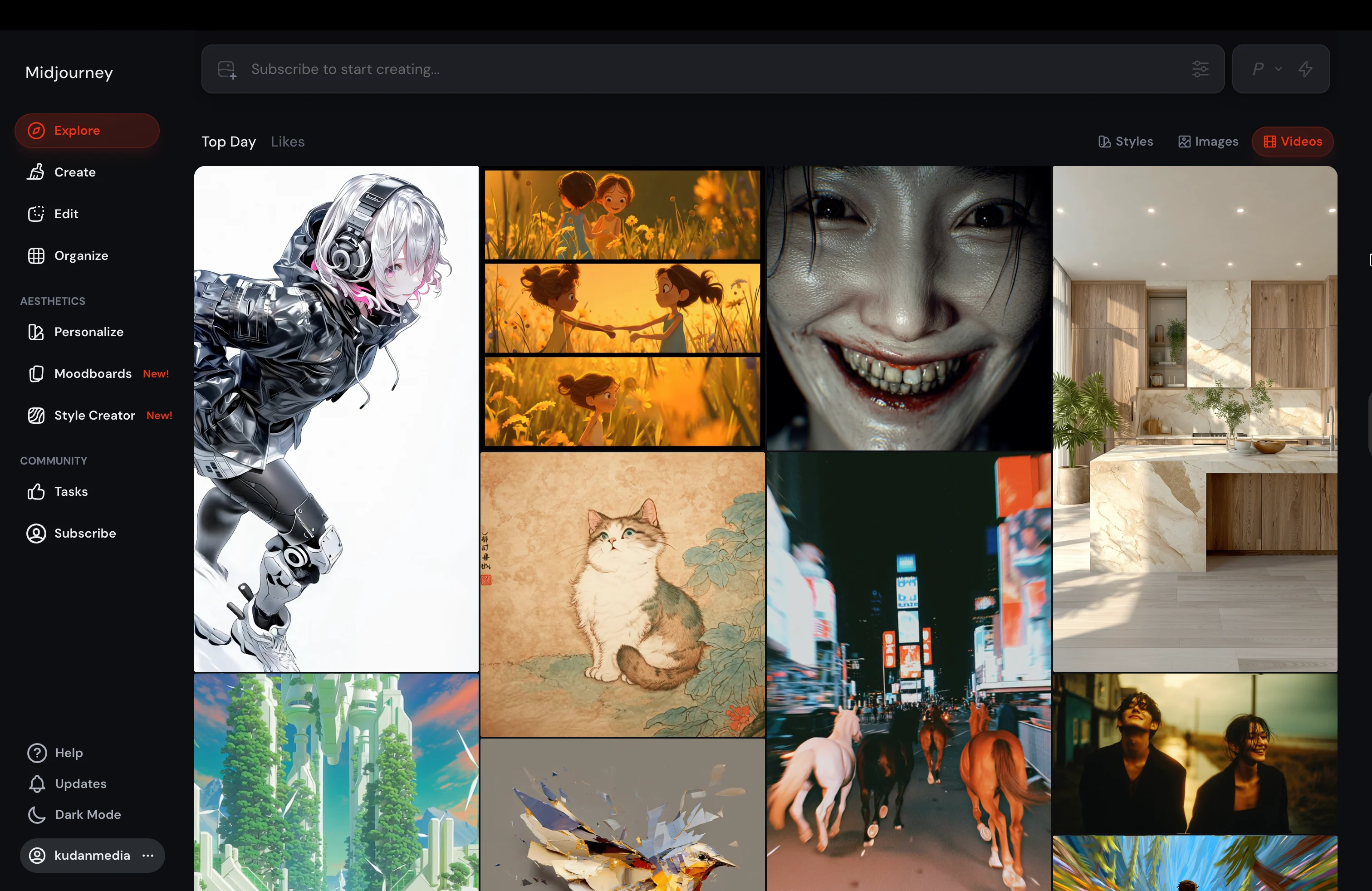

Midjourney
The leading AI image generator producing stunning, artistic images from text prompts.
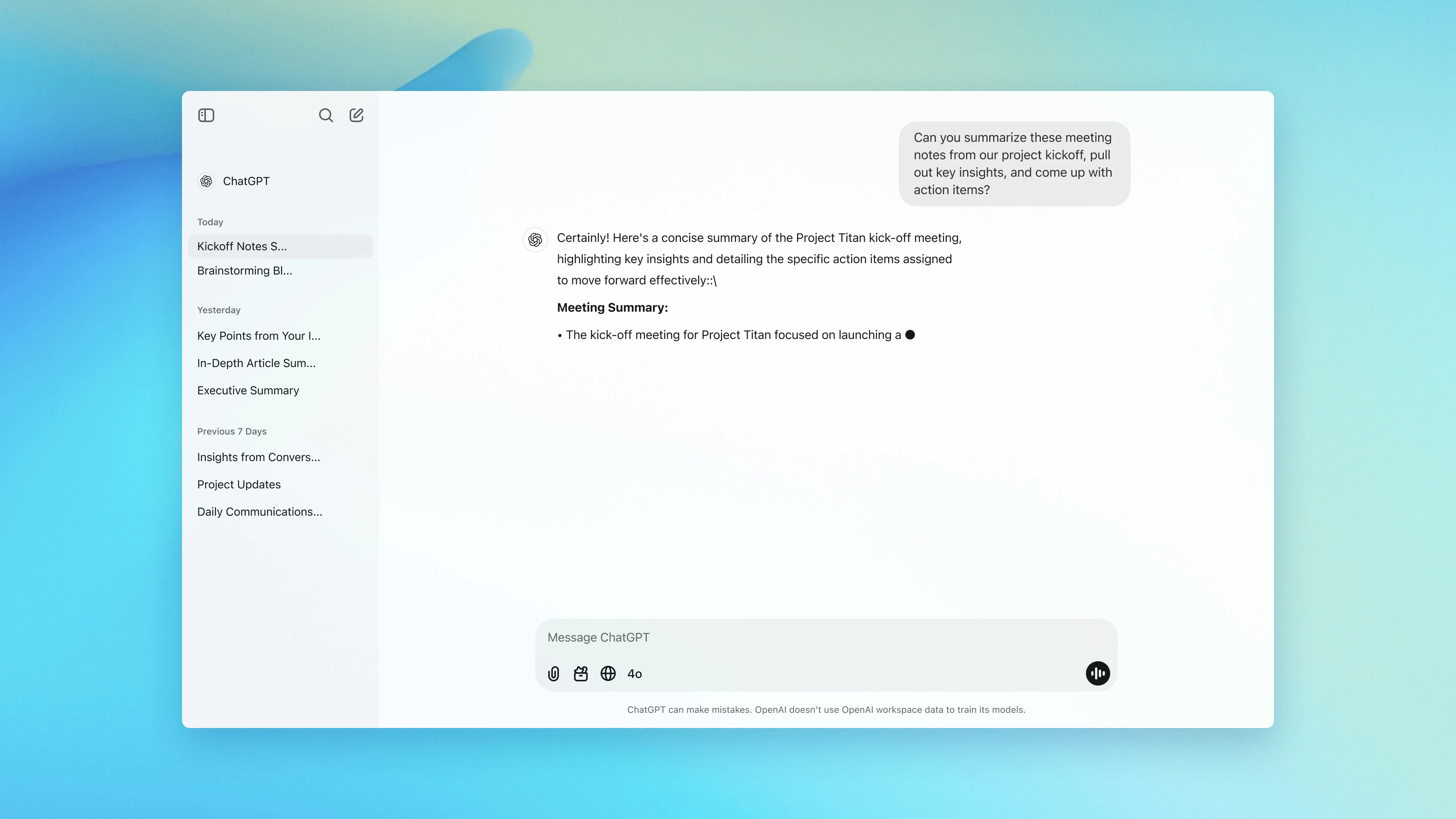

ChatGPT
Advanced conversational AI by OpenAI for writing, coding, research and more.

GitHub Copilot
AI pair programmer that suggests code and entire functions in real time.
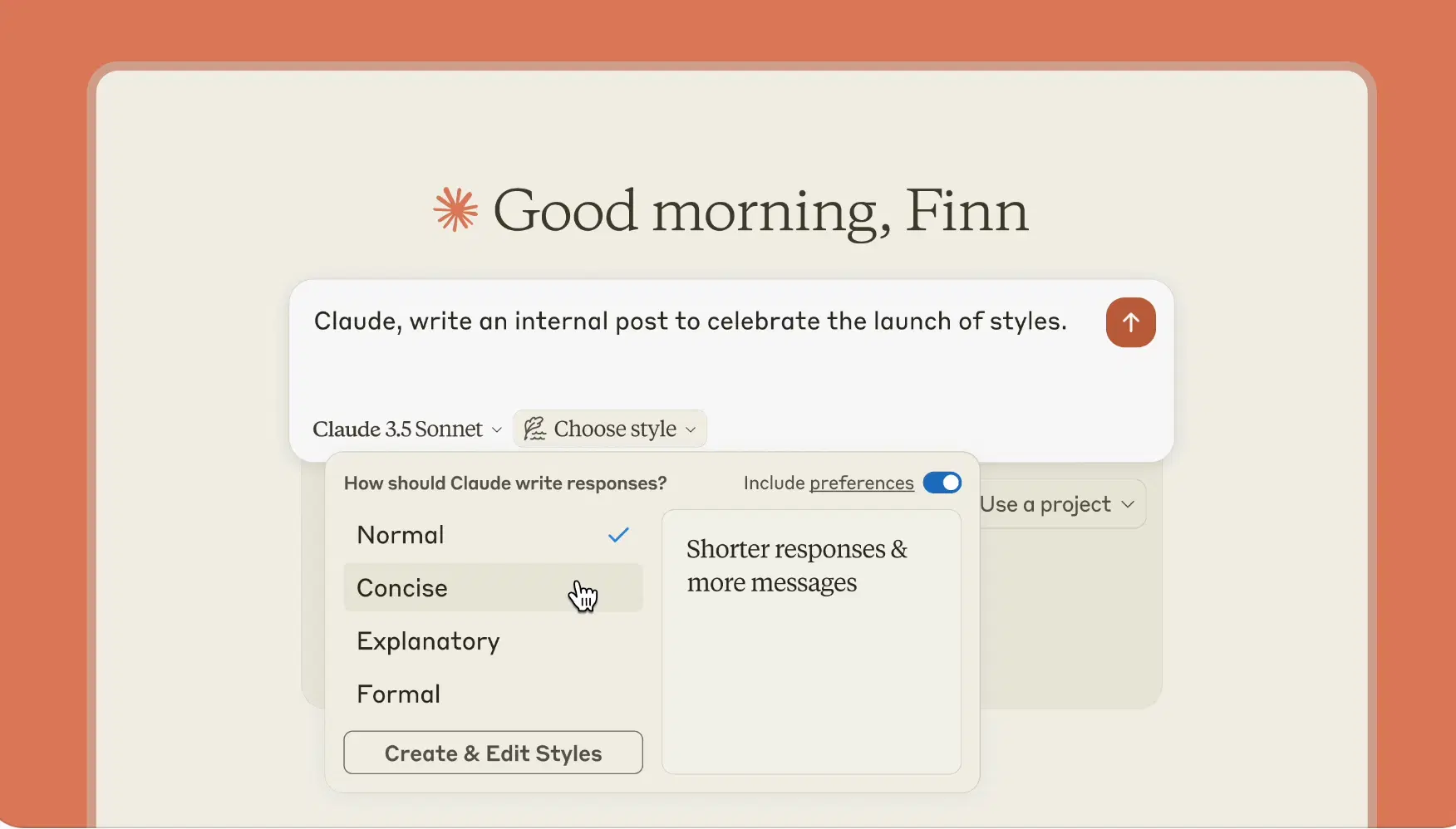

Claude
Anthropic's helpful, harmless and honest AI assistant.